
From Farm to Cup: The Kenyan Tea Journey
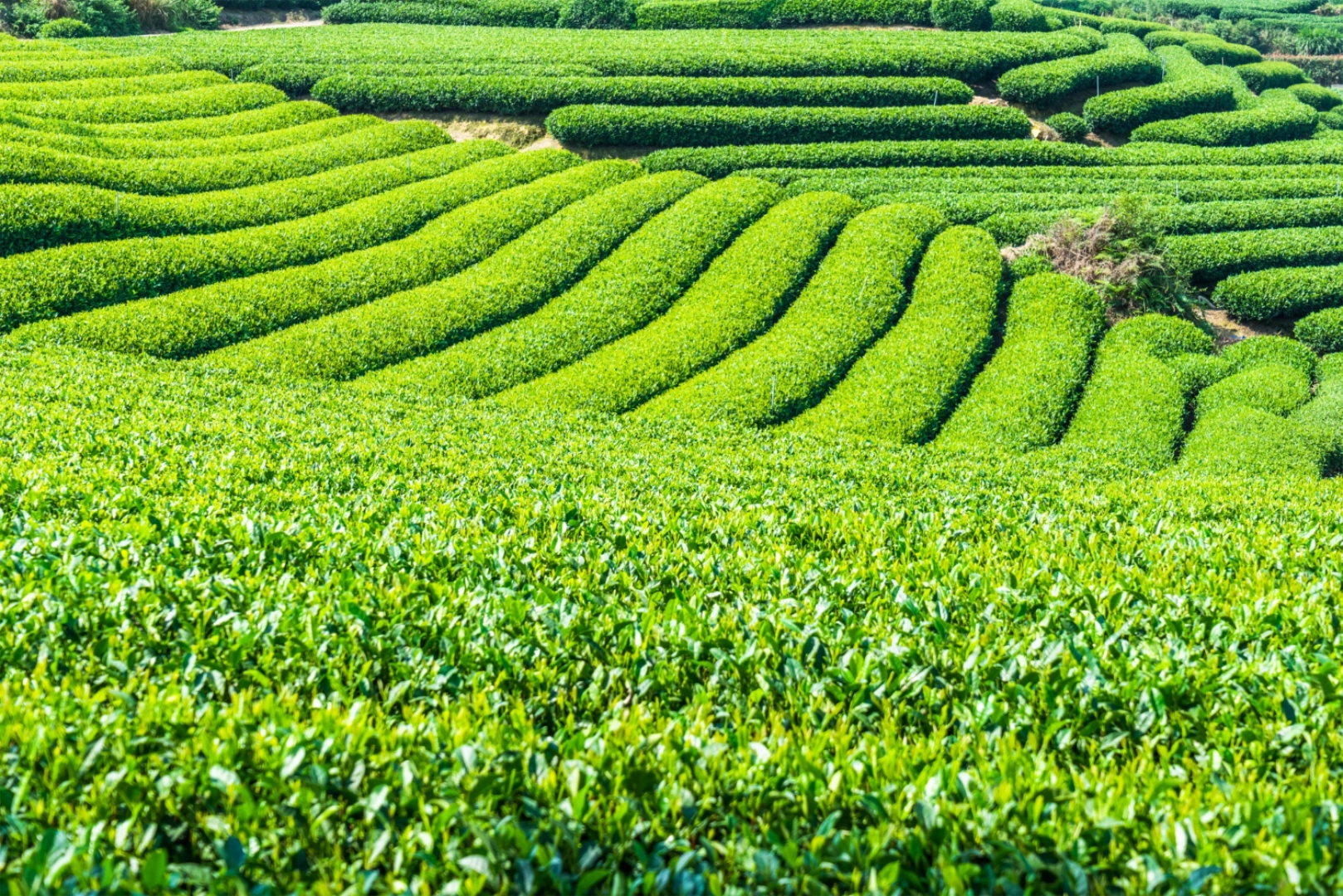
Tea is one of Kenya’s greatest stories. It begins in the green highlands, passes through skilled hands, and travels across the world before reaching your cup.
Every cup carries the richness of our land, the dedication of farmers, and a journey shaped by nature, process, and trade.
1. Where It All Begins: Tea Growing in Kenya.
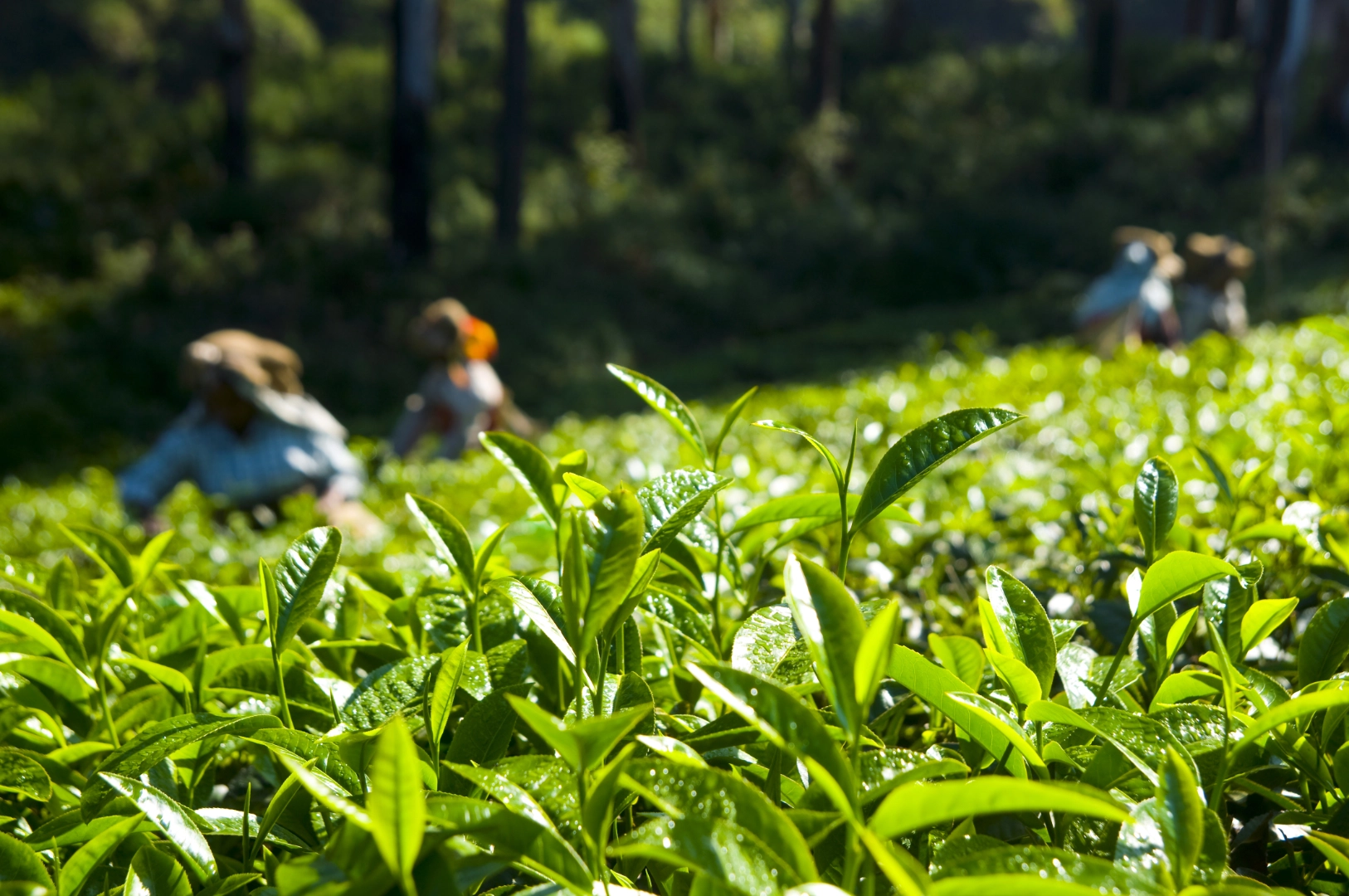
Tea is grown from the Camellia sinensis plant. It thrives in high altitudes, cool temperatures, and fertile soils, conditions Kenya offers naturally.
Kenya’s tea-growing regions are broadly divided into two:
East of the Rift Valley
The regions include Nyeri, Kirinyaga, Embu, and the Mount Kenya region.
These areas offer higher elevations and cooler climates resulting in slower leaf growth of tea bushes. The teas often tend to be more aromatic, lighter and more complex.
West of the Rift Valley
The regions include Kericho, Bomet, Nandi, Kakamega, Kisii among others.
- Rolling hills with reliable rainfall
- Slightly warmer conditions
- Teas are stronger, brighter, and more full-bodied
Together, these regions give Kenyan tea its balance, consistency, and distinctive character.

2. Harvesting: Picking the Best Leaves
Tea in Kenya is harvested throughout the year, supported by its equatorial climate.
The finest tea comes from carefully hand-plucked shoots, two leaves and a bud, which contain the highest concentration of flavour.

Seasons in Kenya
Although tea grows continuously, seasonal conditions influence both quality and output.
During the cooler months from June to August, growth slows down. The leaves mature more gradually, allowing flavour compounds to develop more fully. Tea produced during this period is often richer, more concentrated, and highly valued.
In warmer and rainy periods, the tea bushes grow faster. This leads to higher production volumes, but the flavour may be slightly lighter compared to tea harvested during cooler months.
When rainfall and temperatures are well balanced, the result is consistent quality—combining good yield with strong flavour.
This continuous production cycle is one of Kenya’s key strengths in the global tea market.
3. Processing: Turning Leaves into Tea
After harvesting, green leaves are quickly taken to nearby factories to begin processing.
Here, they go through carefully controlled steps;
- Withering to reduce moisture
- Rolling (for orthodox teas) or cutting (for CTC teas) to release natural juices
- Oxidation to develop flavour and colour
- Drying to lock in the final taste
4. CTC and Orthodox: Two Main Processing Methods
Tea is processed worldwide using two main methods: CTC and Orthodox.
CTC (Crush, Tear, Curl)
Kenya is one of the largest producers of CTC tea globally.
CTC teas are usually processed into small, uniform particles to produce a strong, bright, and full-bodied tea that brews quickly and works well with milk.


Common CTC Grades;
- BP1 (Broken Pekoe 1): Larger particles, bright and lively cup
- PF1 (Pekoe Fannings 1): Smaller particles, strong and quick brewing
- PD (Pekoe Dust): Fine particles with bold flavour
- Dust: Very fine, fast and intense infusion
Orthodox Tea
Leaves are gently rolled and kept whole or twisted, producing smoother, more layered, and complex flavours, and are often used in premium and specialty markets.


Common Orthodox Grades:
- OP1 (Orange Pekoe 1): Long, wiry, well twisted leaves producing a light, bright liquor with a slight flavour
- OPA (ORANGE PEKOE A): Large, well rolled and curled leaf grade.
- PEKOE (P): Shorter, curly and peppercorn like. Gives a brisker and delicate cup
- FOP (Flowery Orange Pekoe): Contains young buds, more aromatic
- FBOPF (Flowery Broken Orange Pekoe Fanning): Shorter, well sized broken leaf with hints of tips
- FBOPFSP (Flowery Broken Orange Pekoe Fanning Special): Small, well-twisted leaves with lots of golden tips. Results in a rich aromatic liquor.
A Unique Kenyan Specialty: Purple Tea
Kenya is the world’s largest producer of purple tea. A rare variety developed from unique tea cultivars. Purple tea is common in health-focused markets worldwide.
- Naturally rich in antioxidants
- Processed using orthodox methods
- Smooth, slightly sweet, and distinctive in flavour
5. Sorting and Grading
After processing, tea is sorted into grades based on leaf size and shape to determine its market use, quality, and flavour profile.
- Whole leaf grades: Retains large, intact leaves offering more complexity in terms of flavour and aroma.
- Broken leaf grades: These are smaller, broken pieces that brew faster and offer more strength in the cup.
- Fannings and dust grades: Smallest particles normally used for rapid and strong infusion in tea bags.
6. From Factory to Auction: The Trade Journey Begins

Once sorted, tea is packed at the factory level either into multi-wall paper sacks or lined polybags. These sacks are designed to protect the tea during handling and transport.
From the factories, the tea is transported to Mombasa.
Most Kenyan tea is sold through the Mombasa Tea Auction, one of the world’s largest, accounting for about 75% of sales and ensuring transparent pricing, while the remaining 25% is sold through direct and local channels.
At the auction:
- Tea is marketed and sold by licensed brokers
- Exporters and international buyers purchase the tea
- Prices are determined based on quality, demand, and global market trend
7. Export Processing and Distribution

After tea is purchased at the auction, it follows two main pathways:
- Transported to Export Processing Zones (EPZs): Tea is inspected, filtered of impurities, blended, and packaged into retail-ready products such as tea bags or branded loose leaf packs. These are then exported directly to international markets as finished products.
- Exported in bulk form: Tea is exported in bulk, either in its original factory packaging or re-bagged to meet specific client requirements, before being shipped to international buyers who may blend, package, or market it within their own markets.
Before tea is loaded into clean, food-grade containers for export, the packages may go through steps like palletising, stretch-wrapping, strapping, and boxing to keep the tea safe and well protected during transport to customers.
8. Retail Packaging: Preparing Tea for the Consumer
Value-added teas, whether for export or the local market, are usually packed in different ways for consumers.
Common formats include:
- Tea bags: Tagged or tagless, available as standard or pyramid sachets, and often individually packed in paper or foil-lined envelopes for added freshness.
- Loose leaf tea: Typically packed in tins or retail pouches using specialized, airtight, and moisture-proof materials like metallized film, foil, or multilayer plastic to preserve freshness.
- Premium packaging: Includes vacuum-sealed or nitrogen-flushed formats, designed to extend shelf life while maintaining product integrity.
Packaging at this stage plays both a protective and branding role.

9. Brewing: The Final Step
The journey ends in the cup—but this is where the experience begins.
A good brew depends on:
- Fresh, clean water
- The right amount of tea
- Proper steeping time
Kenyan tea produces a rich, full-bodied cup, whether enjoyed plain or with additions such as milk, sugar, sweeteners or honey.

More Than Just Tea
Tea supports millions of livelihoods in Kenya and plays a key role in the country’s economy.
It connects farmers, factories, traders, and consumers across the world. Kenyan tea carries a powerful story.
Share this story…