
Premium Tea, Grades, and Global Trade: A Practical Perspective
In the global tea trade, the term “premium tea” is often used but not always clearly understood. In Kenya, there isn’t an official legal category known as premium tea, and no single tea origin automatically qualifies as premium. Instead, the label “premium” is decided by the market. It depends on how the tea tastes, how consistent it is, whether it meets buyer requirements, and how well it sells at the right price.
In the world of tea, quality isn’t about the way it is made or the grade it is given. Whether tea is produced using the CTC or the Orthodox method does not make one better than the other — each serves its own purpose. CTC teas are preferred in large markets for their strength, colour, and reliable blending. Orthodox teas, on the other hand, are favoured in regions like the Middle East and in specialty markets where leaf shape, delicate flavours, and brewing style matter most. What truly counts is whether the tea suits its intended market, not the style of production.
It is also important to understand what “grade” means in the tea industry. Tea grades do not indicate whether a tea is good or bad, nor do they classify it as low grade or high grade. They describe leaf size, style of manufacture, and market preference. Each grade is made for different business needs and has its own group of buyers.
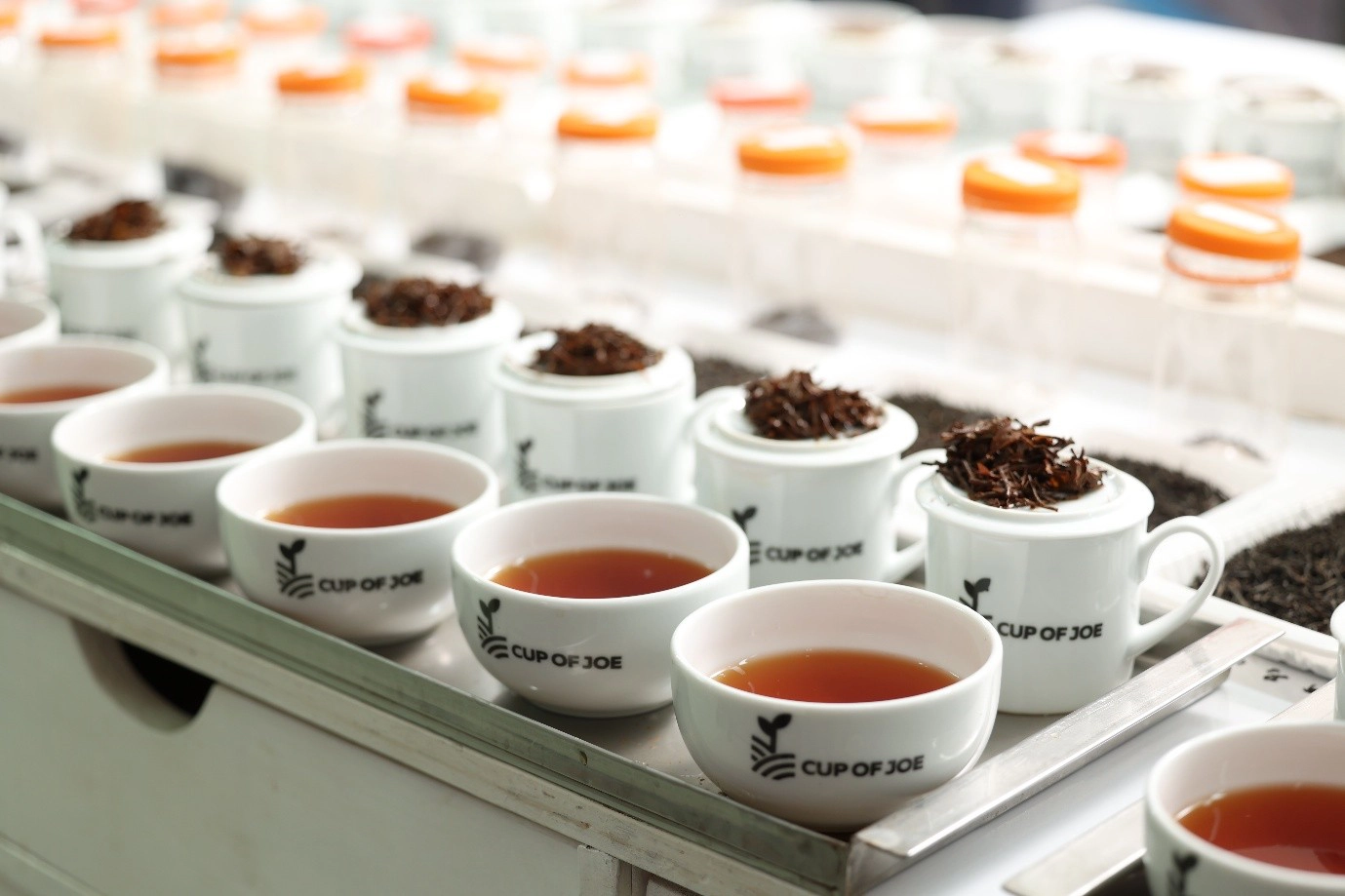
When experts judge tea, they look at many factors: how the leaves were picked, the season in which they grew, how carefully they were processed, the brightness of the brew, its smell, taste, cleanliness, and whether it meets global safety rules. These factors matter much more than the brand name on the package.
The Middle East continues to buy large amounts of Kenyan tea every year, driven by strong consumer demand and specific blending needs. In this competitive global market, Cup of Joe Ltd works with different customers and not governments, under strict buyer requirements and binding contracts, to guarantee steady quality, reliable supply, and on-time delivery.
As of 2025, Cup of Joe Ltd had facilitated trade in 410,815.59 metric tonnes of tea to the Middle East from various global tea-producing countries. The company supplies both CTC and Orthodox teas, always matching the exact grade, flavour, and quantity requested.
While there have been trade challenges, the wider tea market remains active. Cup of Joe Ltd recognizes the importance of the Middle East market to Kenyan farmers. Once fully reopened, it will create strong opportunities. More Kenyan tea in consumers’ cups means better earnings for smallholder farmers and improved livelihoods across the tea sector.

International tea trade is highly organized, technical, well-documented, and shaped by market demand. A key part of responsible exporting is ensuring that the right grade goes to the right market.
When a concern arises about a consignment, proper traceability measures are applied. These include consignment batch numbers, container numbers, tea invoice numbers, and shipment records, all of which are clearly outlined in the contractual agreements.
Once the traceability process is completed, whether an issue has been raised or a contract has been breached, the dispute resolution mechanisms stated in the contract are followed. This ensures that business matters are settled through established procedures rather than public disputes, helping maintain a smooth and cooperative trading environment.
Through disciplined sourcing and accurate supply, Cup of Joe Ltd continues to represent Kenyan tea with consistency, openness, and professionalism in every market it serves, ensuring adherence to trade laws both nationally and internationally.
Share this story…